
What if I told you that one way to rank higher on Google has very little to do with improving your own website? That's the idea behind parasite SEO, a marketing technique where businesses publish content on established, trusted websites to benefit from their existing search authority. Instead of spending months building a website's reputation, marketers attempt to piggyback on another site's credibility. It sounds clever, and sometimes it can produce impressive visibility. But there's a catch. The strategy can cross the line from legitimate content marketing into search engine manipulation.
Think of it like opening a lemonade stand. You could set up shop on your neighborhood sidewalk and spend weeks convincing people to stop by. Or you could convince a major supermarket to let you operate inside its busiest store. Suddenly, you've got foot traffic, visibility, and the appearance of credibility simply because of where you're located. Parasite SEO applies that same idea to Google. A relatively unknown business publishes an article on a respected website, hoping Google will rank the content more favorably because of the publisher's established reputation.
Here's how it works in practice. Imagine a software company trying to rank for "best project management tools." That search is competitive, and its relatively new website might struggle to appear on the first page. Instead, a marketer arranges to publish a comparison article on an established media website, filling it with targeted keywords, product recommendations, and links that generate leads or affiliate commissions. If the article ranks well, the company gains exposure without earning those rankings through its own domain. The distinction is important: publishing a useful guest article isn't inherently suspicious. The concern arises when the primary reason for placing content is to manipulate rankings using someone else's authority.
So why wouldn't every business try this? For starters, you're building on rented property. The publisher controls the page, its content, and whether it stays online. Google can also change how that content appears in search results. An article that attracts traffic today could lose visibility tomorrow, leaving you with little to show for your investment. More importantly, visitors may remember the publication rather than your business. That's why I prefer a strategy that builds assets a company actually owns: useful articles, credible expertise, and a website that answers the questions potential customers are already asking.
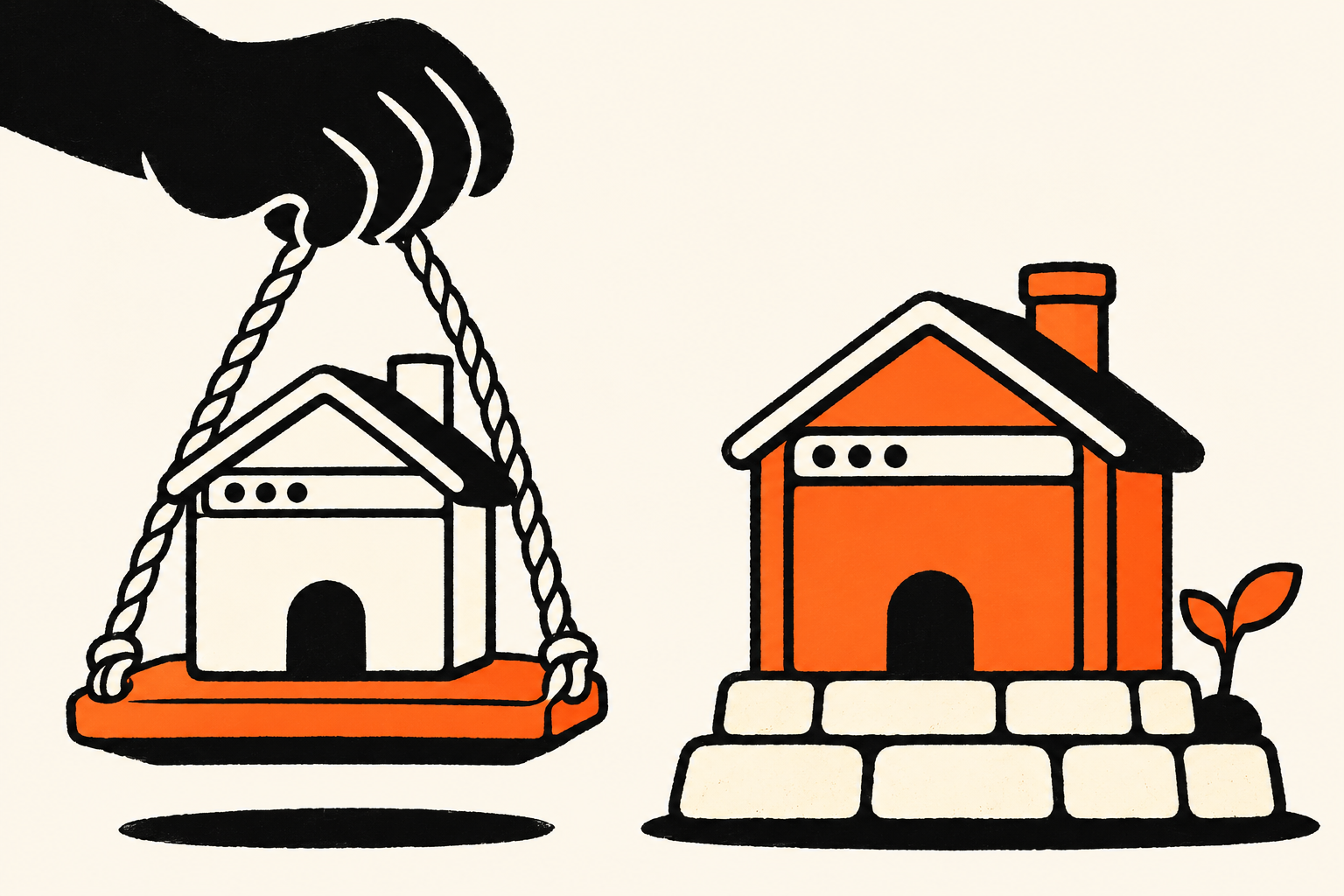
Google has taken notice of these tactics. In 2024, it introduced a policy targeting what it calls site reputation abuse, and it updated its enforcement approach in August 2026. The concern is third-party content placed on established websites primarily to exploit their search ranking signals. Google can take action against offending sections in search results outside the European Economic Area, while applying a different approach within that region. This doesn't mean traditional guest blogging, editorial partnerships, or sponsored content are suddenly forbidden. A well-written article that genuinely serves a publication's audience is different from an unrelated page designed primarily to capture search traffic.
My advice to growing businesses is simple: borrow an audience, not a reputation. Contribute meaningful insights to relevant industry publications, participate in interviews, share original research, and publish helpful content on your own website. Then measure whether those efforts generate qualified visitors, inquiries, and new customers. Third-party exposure should introduce people to your expertise, while your own website gives them a reason to stay and work with you. At Color Culture Design Company, we help businesses connect digital strategy, design, and technology to measurable growth. Search visibility matters, but building a brand people genuinely trust is worth much more than a temporary shortcut.